

Expressive Arts Therapy
Neurodiversity-Affirming Counselling in Victoria BC and Online


Expressive Arts Therapy
Connecting beyond words through creativity
Expressive arts therapy brings creative activities into counselling to explore emotions, experiences, and relationships. It may include visual art, movement, rhythm, sound, storytelling, and writing, alongside conversation.
At The Neurodiversity Family Centre in Victoria, BC, we offer a neurodiversity-affirming approach that respects different ways of communicating, learning, and experiencing the world. Activities are adapted to your interests, sensory preferences, comfort, and goals.
You do not need artistic experience or a formal diagnosis to get started.
What Does Expressive Arts Therapy Involve?
Expressive arts therapy uses different forms of creative expression within a supportive therapeutic relationship. Depending on your preferences and goals, sessions may include:
-
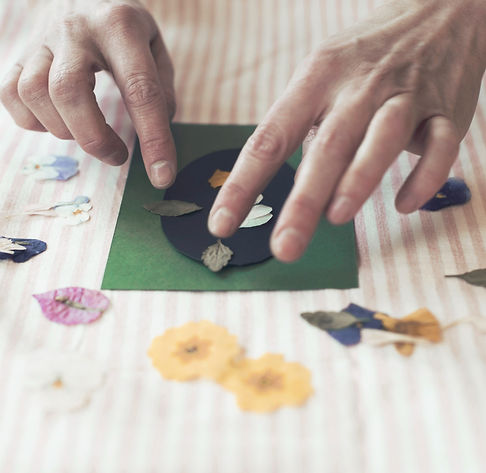
Visual art: Drawing, painting, clay, collage, and mixed media.
-
Movement and rhythm: Exploring gestures, body awareness, movement, and rhythmic patterns.
-
Sensory exploration: Noticing how different colours, textures, sounds, and materials feel to you.
-
Imagination and storytelling: Using images, symbols, metaphor, and stories to explore experiences.
-
Shared creative activities: Creating alongside your counsellor or, in couples and family sessions, exploring ways to connect with one another.
The focus is on your experience of creating, rather than producing a particular result. You can choose what to try, ask for changes, or decline an activity.
Expressive Arts Therapy for ADHD, Autism & other neurotypes
Autistic people, ADHDers, and other neurodivergent individuals have varied interests, communication styles, and sensory needs. There is no single activity or approach that suits everyone.
Our neurodiversity-affirming approach makes room for those differences. Some people enjoy movement or textured materials; others prefer quiet drawing, writing, or fewer sensory inputs.
Together, we explore what feels comfortable and useful. Sessions can focus on understanding your needs, recognizing strengths, expressing emotions, and finding approaches that fit your everyday life.


What Can Expressive Arts Therapy Support?
Depending on your needs and the practitioner’s areas of practice, expressive arts activities may be incorporated into counselling focused on:
-
Emotional awareness and expression
-
Stress, anxiety, and overwhelm
-
Understanding sensory preferences and support needs
-
Coping with grief, change, or difficult experiences
-
Self-esteem, identity, and self-understanding
-
Communication and relationships
-
School-related distress and transitions
-
Exploring coping and regulation strategies
Goals are developed collaboratively. Your counsellor will check in about how activities feel and adapt the approach based on your feedback.
Who Is It For?
Expressive arts therapy can be adapted for children, teens, adults, couples, and families. It may appeal to people who enjoy creativity, find conversation alone limiting, or want to explore another way of engaging in counselling.
You do not need to identify as creative. Curiosity—and the freedom to discover what works for you—is enough.
Expressive Arts With Ania
Ania Telfer, Certified Canadian Counsellor, offers the option to integrate expressive arts into counselling at The Neurodiversity Family Centre. She works with children aged five and older, teens, adults, couples, and families.
You can discuss your interests, support needs, and goals with Ania to explore whether this approach is a fit.
Frequently Asked Questions
Do I need to be good at art?
No. Artistic skill is not required. Sessions focus on expression, exploration, and your experience of the process.
Will I have to talk about everything I create?
You and your counsellor can discuss how you would like to reflect on an activity. You do not need to explain every image or find an immediate meaning.
What if I find certain sounds, textures, or movements uncomfortable?
Tell your counsellor about your preferences. Materials, activities, and the environment can be adapted, and you can decline an activity.
Is expressive arts therapy the same as art therapy?
They are related but distinct approaches. Expressive arts therapy can move between several creative forms, including visual art, movement, music, and writing. Art therapy primarily uses visual art processes. Practitioners’ training and qualifications also differ.